
Why Treat Uterine Fibroids
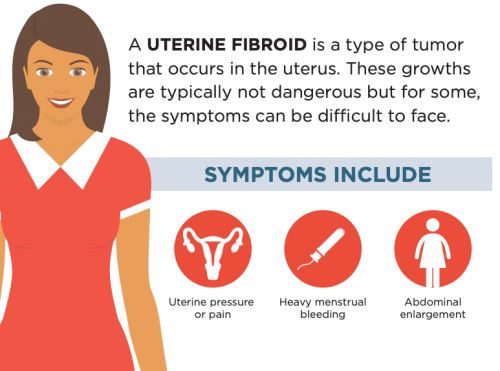
Some fibroids can cause heavy periods, which can lead to anemia, or if the fibroids grow large they can compress adjacent organs leading to frequency of urination, constipation and bloating. Fibroids may press on nerves causing backache and sciatica and can cause cosmetic unsightliness by bulging the abdomen.
If you are experiencing symptoms, without treatment the fibroids can continue to grow in size.
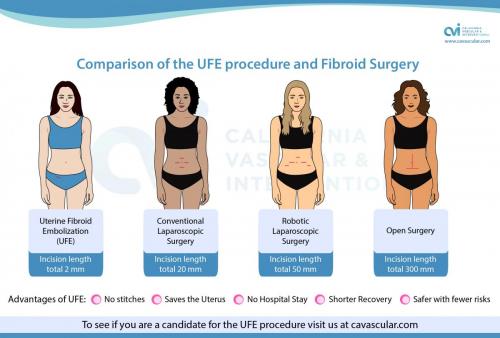
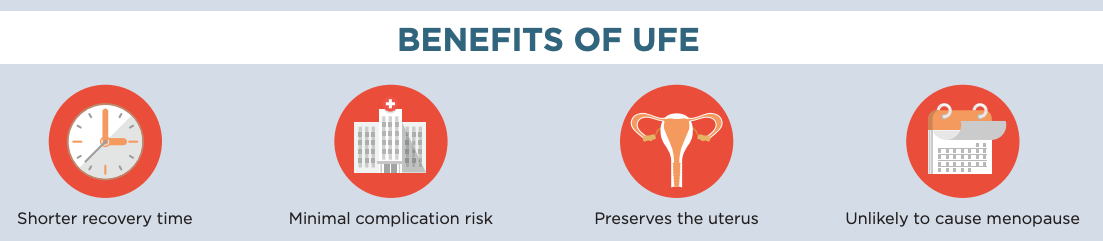
Advantages of Fibroid Embolization Treatment over Surgery:
- No stitches or surgical incision (only a small nick in the skin)
- No general anesthesia required
- Outpatient procedure
- No hospital stay
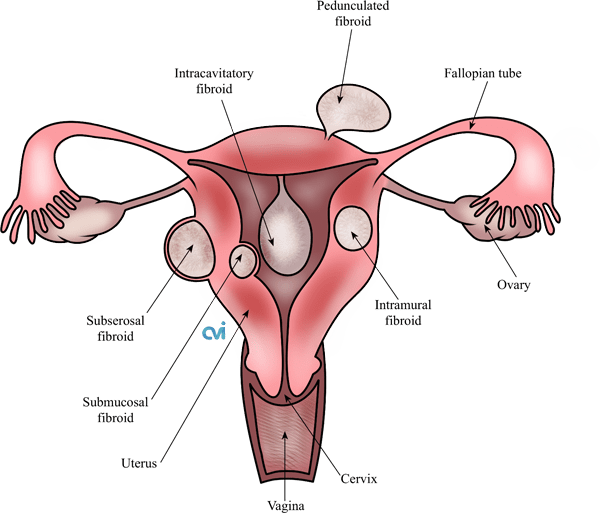
- Can treat all fibroid types (unlike myomectomy)
- Saves your uterus (unlike hysterectomy)
- Little to no downtime for recovery, few days (versus few weeks for surgery)
- Less risks and complications
- Significant improvement in quality of life
- Virtually no blood loss (versus possible transfusions)
- No burning or scraping the lining of the uterus
- No internal cutting, bleeding or scarring
How can Fibroid Embolization be Effective on Fibroids Without having Surgery?
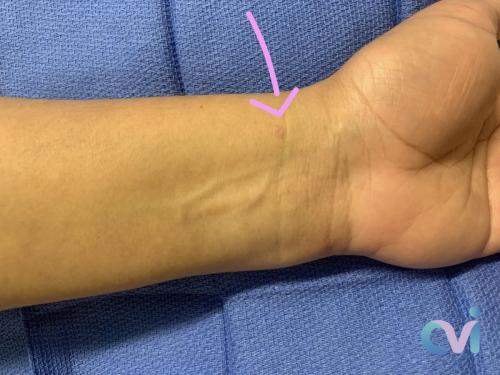
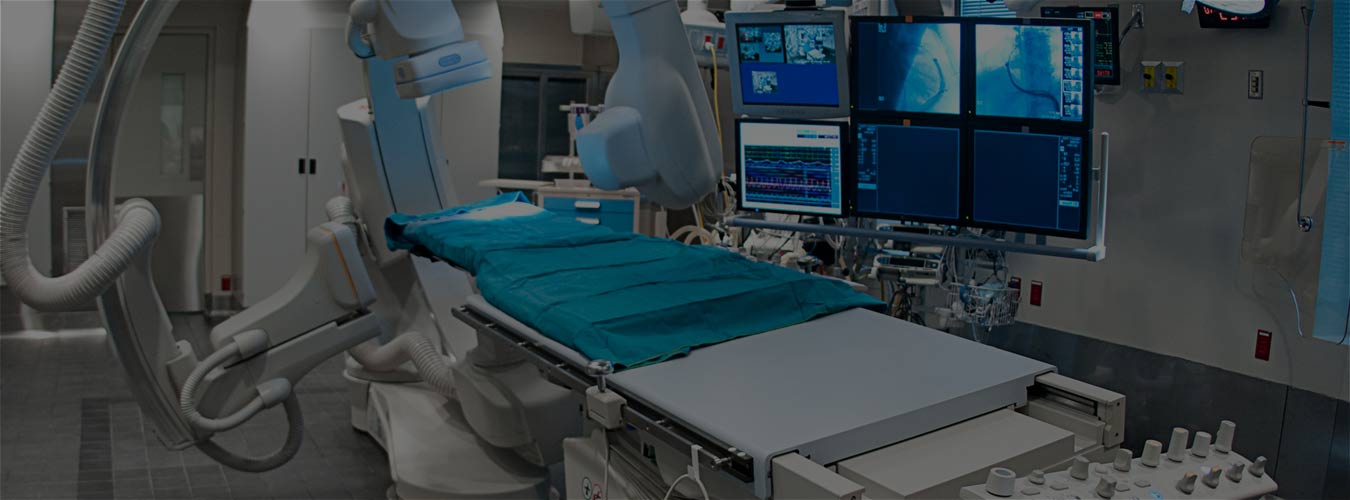
The UFE procedure is performed in a million dollar vascular center using advanced imaging technology with microwires and catheters, which allow the treatment to be performed through a tiny nick in the skin (slightly larger than an IV).
This imaging technology in experienced hands helps guide the microwires and catheters to the fibroids all the way from the leg or arm. As a result the specialist can visualize the anatomy and guide the tools to the area of interest without having to make large incisions or placing a camera into the abdomen as required for other fibroid surgeries.
This clinically proven advancement in medicine has not only paved way for fibroid treatment but also many others, including cancer therapies.
What is Uterine Artery or Fibroid Embolization (UAE/UFE)?
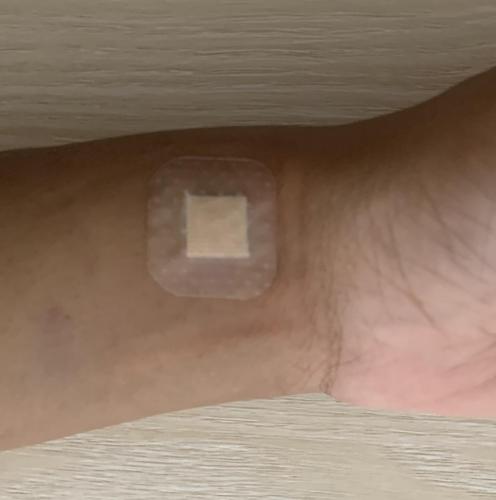
Fibroid embolization can be performed as an outpatient procedure through a tiny pinhole in the skin, resulting in faster return to work and minimal risk (after 30 days) when compared to having a hysterectomy.4 UFE is also done with local and moderate IV sedation, avoiding the risks of general anesthesia. What kind of facility can the UFE procedure be performed at? Read here.
Our outpatient center sees patients throughout Southern California including Los Angeles, Orange County and San Diego. The fibroid treatment is performed by our Endovascular Physician (an Interventional Radiologist) who is board certified in image-guided procedures using X-rays, tiny catheters and other micro-tools, and has performed hundreds of complex embolizations with special interest in fibroid treatments.
What is Interventional Radiology? This is the only specialty in medicine specifically trained to perform embolization procedures, such as for symptomatic fibroids. Read more here.
Am I a candidate for Uterine Fibroid Embolization?
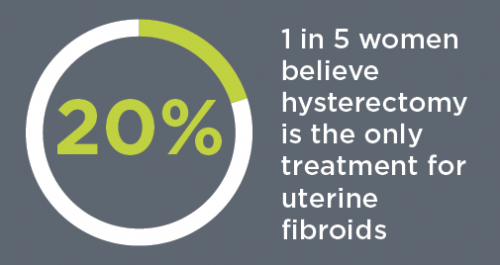
If you have reached this page it is likely because you stumble on it or you heard about the UFE procedure by word of mouth. That is because most women to this day are still subject to major surgery for fibroids without being informed of this alternative treatment. Fibroid embolization has been an FDA-approved treatment for uterine fibroid for over 20 years and is recognized by the American College of Obstetrics and Gynecology as an effective treatment for fibroid tumors. Sadly, most women have only been told that their options are hormone treatments, myomectomy or a hysterectomy.
If you have uterine fibroids with the following symptoms you are candidate for fibroid embolization:
- Prolonged or heavy periods
- Constipation or bloating
- Painful cramping
- Urinary frequency
- Back or pelvic pain
- Pain during intercourse
What do you need to do next? Request an appointment to meet with our embolization doctor who will review your imaging, labs and history to determine if you are candidate for the procedure, and the outcomes you can expect. Each woman is an individual, and should discuss the potential risks and benefits of fibroid embolization and other treatments with our doctor to decide which option is best for her.
Appointments are available via an online video telehealth platform or in person at one of the offices in Los Angeles, Orange County or San Diego. Why should you choose us? Read here.
What to expect
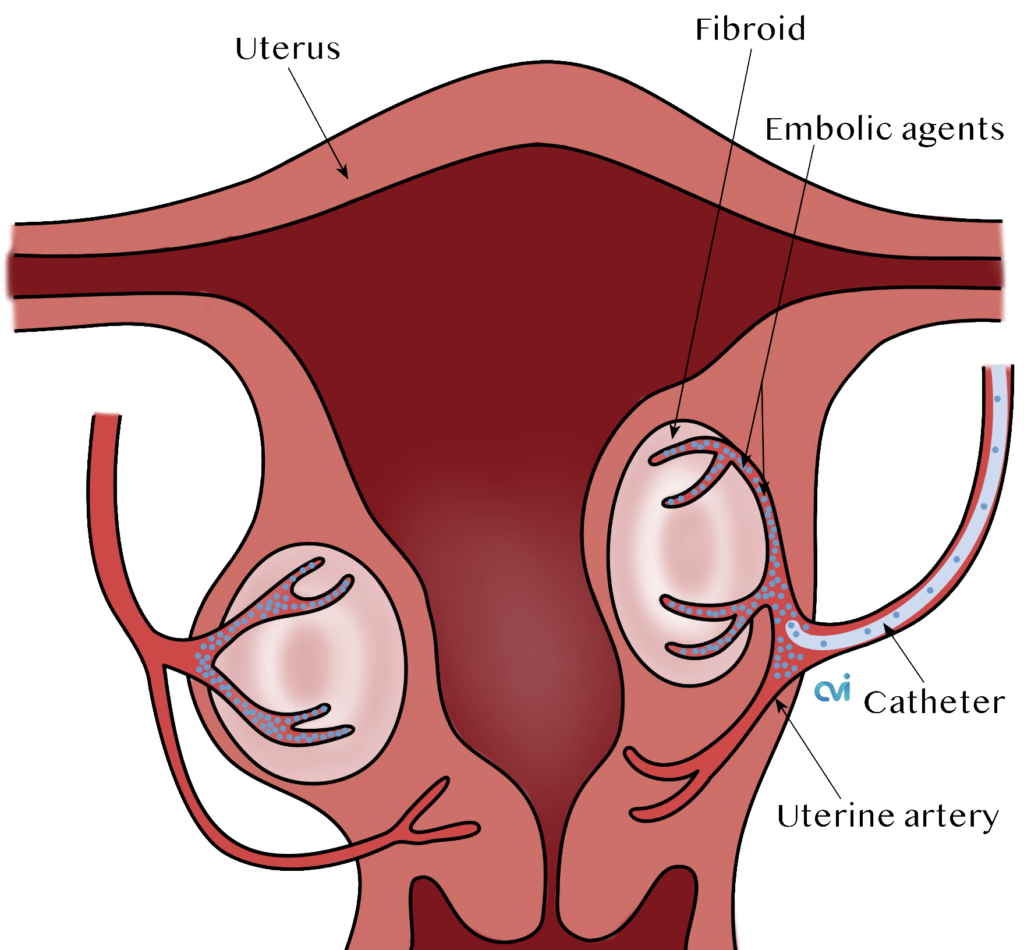
Fibroid embolization is an outpatient non-surgical procedure with minimal downtime. The procedure is done in an outpatient state of the art center where our interventional radiologist performs the fibroid treatment through a tiny tube called a catheter. This procedure can be performed by either placing the catheter in an artery at the top of the leg (called a femoral approach) or by placing it into an artery in the lower arm (called a radial approach). The two methods are illustrated below.
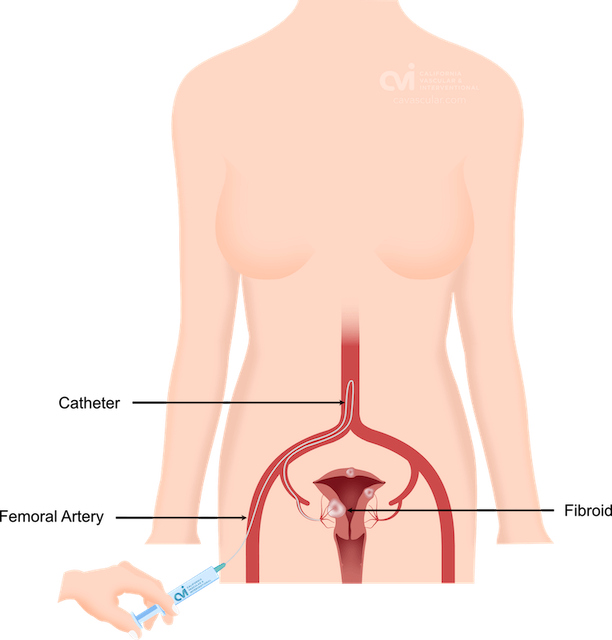
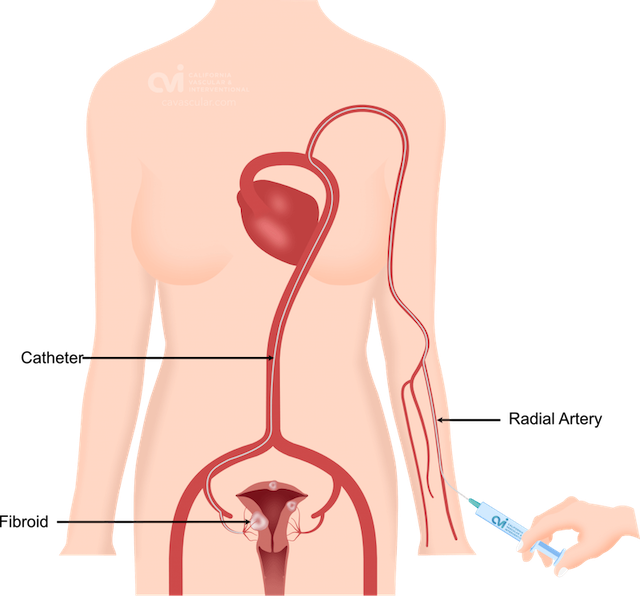
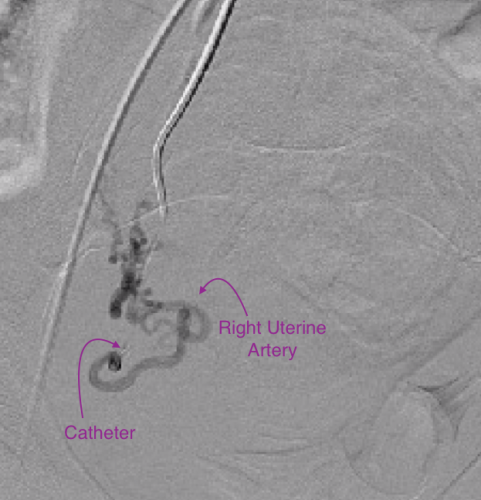
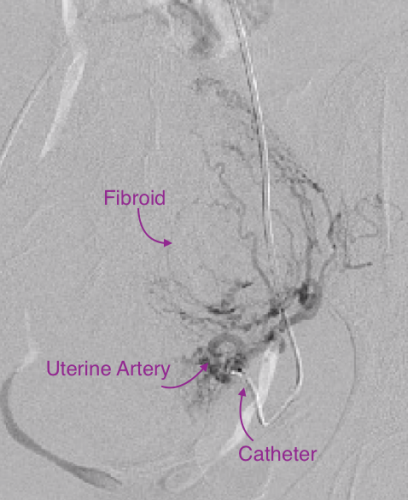
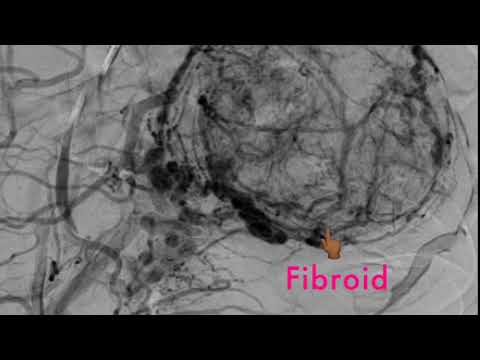
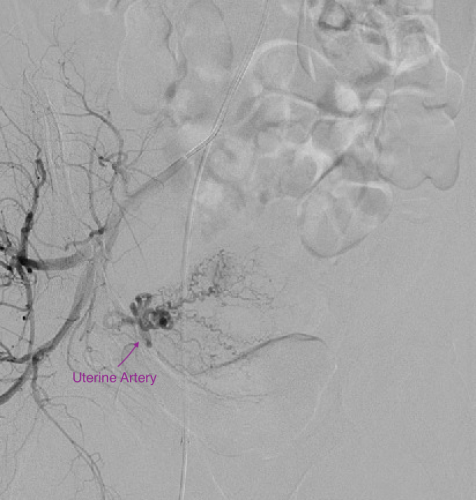
The patient is given a local and topical anesthetic to numb the skin and a mild sedative, so that the procedure is not painful. A sophisticated X-ray machine that creates moving pictures in “real” time enables the doctor to see the catheter as it is guided through the blood vessels and into the uterine artery.
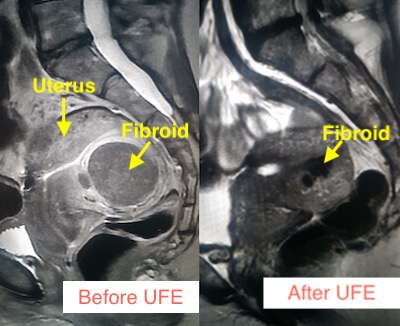
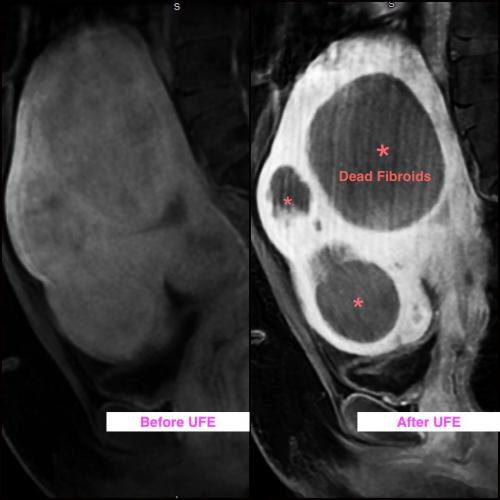
The final step in fibroid embolization is the injection of tiny particles the size of sand particles through the catheter. The particles lodge in the blood vessels feeding the fibroids and cut off their blood supply, but the uterus and ovaries are spared.
Our Patient Experiences
Results
Appointments are available via an online video telehealth platform or in person at one of the offices in Los Angeles, Orange County or San Diego, depending on the doctor’s availability. Contact Us Today. Why should you choose us? Read here.
References:
1. Day Baird D, Dunson DB, Hill MC, Cousins D, Schectman JM. High cumulative incidence of uterine leiomyoma in black and white women: ultrasound evidence. Am J Obstet Gynecol. 2003 Jan;188(1):100 – 7.
2. Pelage, J.-P., Cazejust, J., Pluot, E., Le Dref, O., Laurent, A., Spies, J. B., … Lacombe, P. (2005). Uterine Fibroid Vascularization and Clinical Relevance to Uterine Fibroid Embolization. Radiographics, 25, S99–S117.
3. Peddada, S. D., Laughlin, S. K., Miner, K., Guyon, J.-P., Haneke, K., Vahdat, H. L, Baird, D. D. (2008). Growth of uterine leiomyomata among premenopausal black and white women. Proceedings of the National Academy of Sciences, 105(50), 19887–19892.
4. Spies J et al. Outcome of uterine embolization and hysterectomy for leiomyomas: results of a multicenter study. American Journal of Obstetrics & Gynecology 2004;191: 22-31.
5. Lohle, P. et al. Long term outcome of uterine artery embolization for symptomatic uterine leiomyomas. JVIR 2008; 19:319-326
6. Gupta JK, Sinha A, Lumsden MA, Hickey M. Uterine artery embolization for symptomatic uterine fibroids. Cochrane Database of Systematic Reviews 2014, Issue 12. Art. No.: CD005073.